


HOW TO CHOOSE QUALITY FURNITURE THAT STANDS THE TEST OF TIME
How often do you replace your furniture—not because you’re tired of it, but because it simply doesn’t last?
There is a big difference between furniture that looks good and furniture that is made to last.
Quality furniture is not about trends. It’s about materials, construction, and long-term thinking. Here’s how to recognize it.
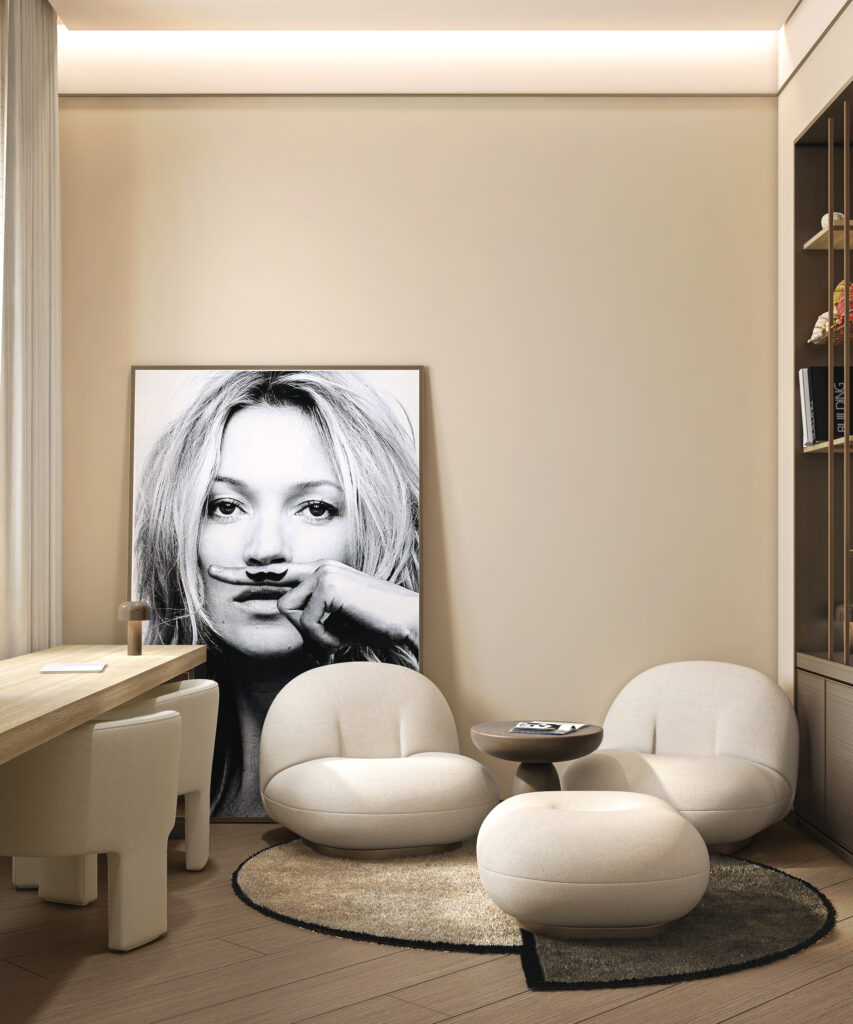
Sustainable furniture, natural light, and a calm interior by Alex Kovachev and IDEA International
Weight Matters More Than You Think
Many people see heavy furniture as a disadvantage. I see it as a good sign.
Heavier furniture usually means:
solid materials;
real structural integrity;
fewer compromises in production.
Lightweight furniture often relies on hollow panels and quick fittings. It may look fine at first, but it rarely survives years of everyday use.
Choose Real Wood
Real wood is not perfect.
It’s not identical everywhere.
And that’s exactly why it lasts.
Wood can:
be repaired;
be refinished;
be reused and adapted over time.
Cheaper materials don’t give you that option. Once damaged, they usually need to be replaced entirely.
Good Furniture Is Not Disposable
A well-made table can:
move from an apartment to a house;
shift from a dining room to a living space;
change function without losing its value.
A chair can be reupholstered and look completely different years later.
That, is true luxury—
not constantly replacing, but adapting.
Quality Furniture Is Not Trend-Dependent
Trends come and go.
But good proportions, honest materials, and solid joinery do not age.
They simply do their job—quietly, reliably, and for a long time.
Conclusion: Choose Furniture With the Future in Mind
The real value isn’t in buying something new.
It’s in choosing something you won’t need to replace.
Quality furniture is an investment—not only in your interior, but in how you live with it.
Explore our full range of interior design services
5 Things You’ll Only Find in a Billionaire’s Home | IDEA
10 Bathroom Trends for 2025 | IDEA